Germany’s Auto Moat Is Eroding—What It Means for Investors
The decline of Germany’s auto industry reveals deeper cracks in its industrial moat, with implications for global supply chains and EV competition.
- Topic
- Market power
- Published
- Updated
- Reading time
- 4 min read

Germany’s auto industry was once the gold standard for global manufacturing: precision engineering, premium pricing, and a near-monopoly on status. Today, it is a cautionary tale about the fragility of even the most entrenched competitive advantages. BMW’s recent profit warning—slashing its 2026 margin forecast from 4-6% to 1-3%—is not just a one-quarter miss. It is a symptom of a structural unraveling, one that threatens to redefine Germany’s role in the global economy and the investment case for its industrial champions.
The Moat That Was—and Isn’t Anymore
For decades, Germany’s automakers enjoyed a durable competitive advantage built on three pillars:
1. Engineering prestige: German cars were synonymous with quality, justifying premium prices. 2. Scale and supply chain dominance: Volkswagen, BMW, and Mercedes controlled vast production networks. 3. Market access: China’s appetite for luxury combustion engines subsidized German R&D and dividends.
These pillars are now crumbling. The shift to electric vehicles (EVs) has exposed Germany’s weaknesses in batteries, software, and cost competitiveness. Chinese automakers now dominate the EV supply chain, producing 80% of the world’s battery cells in 2025. German brands’ market share in China—once a profit engine—has collapsed by 25% over five years.
The China Syndrome: A Market Lost, Not Just Slowed
China is the single biggest factor in Germany’s auto decline. In 2025, China accounted for 55% of global EV sales, with Chinese brands capturing 60% of the market. German automakers supplied just 15%. The numbers tell a stark story:
- Sales collapse: German brand sales in China fell to 3.9 million vehicles in 2025 (down from 5.2 million in 2020). - Profit evaporation: China once generated up to half of BMW and Mercedes’ operating profit. - Supply chain inversion: German automakers now rely on Chinese battery suppliers and software partners.
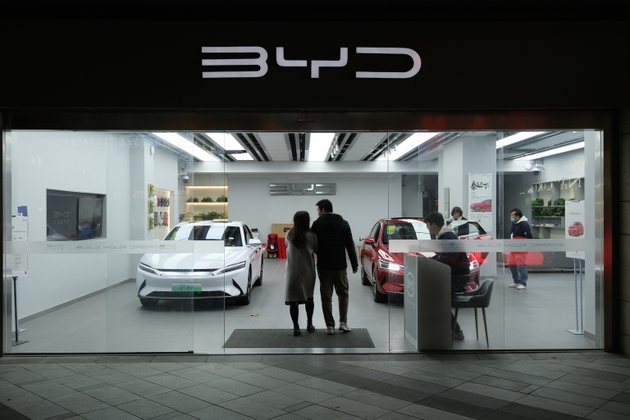
The video’s anecdote about Zeekr’s $50,000 hybrid benchmarked against Porsche and BMW reflects a broader reality: Chinese automakers are out-innovating and out-pricing their German rivals. For investors, this raises a critical question: Can German automakers regain relevance in China without sacrificing margins?
The Cost of Playing Catch-Up
Germany’s automakers are not ignoring the EV transition. BMW plans 40 new EV models by 2027, while Volkswagen and Mercedes are investing billions in batteries and software. But the timing is disastrous. The industry’s late entry into EVs has forced a costly catch-up game, squeezing margins.
Key financial pressures:
- Legacy profits fading: Combustion engines still fund the EV transition, but sales are declining. - EV margins thin: German automakers target 4-6% margins for EVs—far below combustion-era returns. - Software struggles: Volkswagen’s $5.8B joint venture with Rivian is an admission of failure.
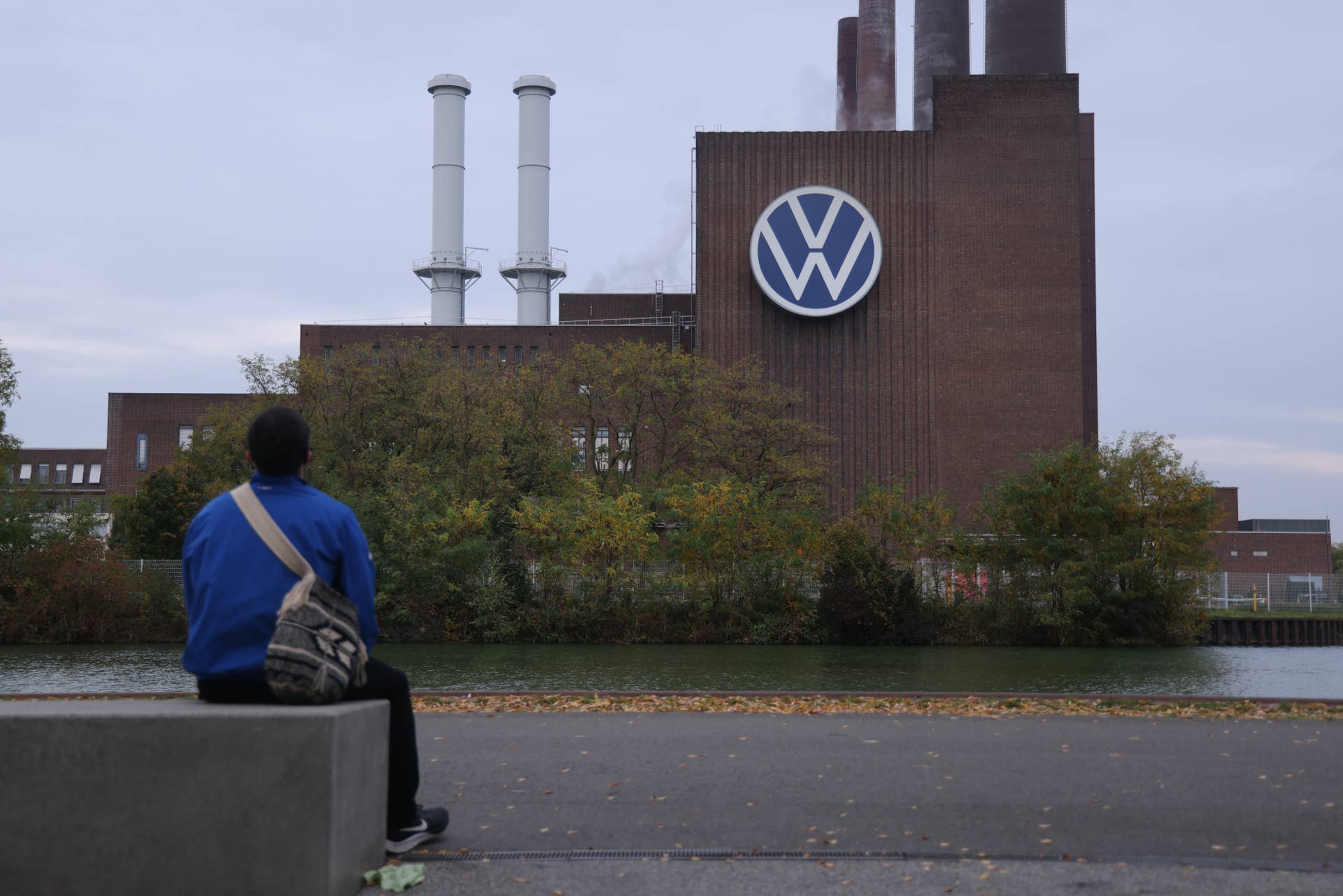
Volkswagen’s capacity cuts—from 12 million to 9 million vehicles—are structural, not temporary. The company is closing German production lines, shifting output to Mexico, and cutting 19,000 jobs by 2026. For investors, the question is: If German automakers can’t compete on cost or innovation, what’s left of their moat?
The Domino Effect: Suppliers and Industrial Decline
Germany’s auto decline is a microcosm of its broader industrial unraveling. Energy-intensive industries like chemicals and steel are struggling under high costs and the nuclear phase-out. The results:
- Chemicals: BASF is shifting production to China. German output fell 6% in Q1 2026. - Steel: ThyssenKrupp is cutting 11,000 jobs. - Energy: Germany’s industrial electricity prices are among Europe’s highest.
The auto supply chain is feeling the pain. A 2026 survey found 67% of German suppliers are postponing domestic investments, while 54% are cutting jobs. Bosch and ZF are reducing their German workforces by 5,500 and 14,000 jobs, respectively.
What Investors Should Watch
Investors must separate structural decline from cyclical weakness. Key metrics to monitor:
1. China exposure: Are German automakers regaining EV share in China? 2. Cost competitiveness: Can they match Chinese EV prices without sacrificing quality? 3. Regulatory tailwinds: Will the EU adjust the 2035 combustion engine ban? 4. Supply chain resilience: Are German suppliers stabilizing? 5. Valuation: Are depressed multiples a value trap or a turnaround opportunity?
Germany’s automakers still have strong brands and engineering expertise. The question is whether these assets can offset the loss of their moat.
Portfolio Implications
The obvious trade is to underweight German automakers and suppliers. But the ripple effects extend further:
- Global suppliers: Companies like Continental and Bosch are diversifying away from Germany. - Luxury goods: Brands like Rolex and LVMH rely on affluent German consumers. - Energy: Germany’s energy crisis is far from over. - Chinese automakers: BYD and Zeekr benefit from Germany’s decline, but valuations reflect high expectations.
Germany’s auto decline is a case study in how quickly market structure can shift when incumbents underestimate change. For investors, the lesson is to scrutinize the durability of competitive advantages—not their past glory.
Research briefing
Get new Monopoly MOAT research by email.
New analysis and publication updates, sent when they are published.
Discussion